

Solar panels can reduce monthly utility costs, offer protection against future rate increases, and in many cases contribute to higher resale value. But they are not automatically the right choice for every homeowner. In New Jersey especially, the financial upside depends on system ownership, installation costs, roof condition, buyer preferences, and how long you plan to stay in the home.
With electricity costs continuing to rise across the country, more homeowners are asking the same question: Are solar panels worth the investment?
In New Jersey, the conversation has become even more relevant. Residents have experienced significant increases in electric bills in recent years. While many factors contribute to rising energy costs - including fuel prices, electric grid investments, and supply and demand - critics of New Jersey's clean energy policies argue that the accelerated retirement of lower-cost traditional fossil fuel power plants has also contributed to higher electricity prices.
As a result, many homeowners are looking at solar energy to reduce long-term utility costs. But is installing solar panels the right financial decision? The answer depends on your goals, your home, and how long you plan to stay there.
The Pros of Solar Panels
Lower Monthly Electric Bills
The biggest advantage is simple: lower utility costs. Producing your own electricity can significantly reduce your monthly electric bill, especially as utility rates continue to increase.
Protection Against Future Rate Increases
Electric rates rarely move in one direction - and that direction is usually upward. Solar panels can provide greater predictability by reducing your dependence on the power grid.
Federal Tax Incentives
Homeowners may qualify for federal tax credits and, depending on location and timing, additional state or utility incentives that can help offset installation costs.
For homeowners planning to stay put for several years, the long-term math often matters more than the first-year savings. The value of solar is usually strongest when lower monthly bills compound over time.
Reduced Carbon Footprint
Solar energy is a renewable resource that helps reduce greenhouse gas emissions and decreases reliance on fossil fuels.
Increased Property Value
Numerous studies have shown that homes with owned solar panel systems often sell for more than comparable homes without them. However, how much additional value they contribute depends on several factors, including buyer preferences, system ownership, age of the panels, condition, and the amount of monthly energy savings.
The Cons of Solar Panels
Appearance
For many homeowners, aesthetics are the biggest drawback. Although solar technology continues to improve, rooftop panels remain relatively bulky and are not universally considered attractive. Some buyers simply prefer the appearance of a traditional roof.
High Upfront Costs
Purchasing a solar system requires a significant investment. While financing options are available, monthly loan payments can offset some of the initial utility savings during the early years.
Financing Can Complicate a Home Sale
If the solar system is financed or leased, transferring the agreement to a new buyer can sometimes complicate a real estate transaction. Buyers should fully understand the terms before purchasing a home with financed or leased panels.
Roof Considerations
If your roof is nearing the end of its useful life, it is generally advisable to replace it before installing solar panels. Removing and reinstalling panels later for roof replacement can add considerable expense.
Maintenance and Repairs
Although solar panels require relatively little maintenance, they are not maintenance-free. Damaged panels, inverter replacements, electrical components, or roof repairs can result in additional costs over time.
Weather Dependence
Solar panels generate less electricity during cloudy weather and no electricity at night. Most homeowners remain connected to the electric grid or use battery storage to ensure continuous power.
End-of-Life Disposal
Like any product, solar panels eventually reach the end of their useful life. Proper recycling and disposal options continue to improve, but replacement and disposal should be considered as part of the long-term ownership cost.
A solar system can be a selling advantage, but financed or leased panels may create extra questions during a transaction. Ownership structure matters almost as much as the energy savings themselves.
How Much Value Do Solar Panels Add?
One practical method used within the real estate industry is to estimate value based on the monthly utility savings.
According to the Otteau Group, Inc. CMA Adjustment Guide, a general guideline is:
Monthly Utility Savings × 80 = Estimated Contribution to Market Value
For example:
- $100 monthly savings × 80 = approximately $8,000 in potential value.
- $200 monthly savings × 80 = approximately $16,000 in potential value.
This is a guideline - not a guarantee. Actual market value is determined by buyer demand, local market conditions, ownership versus lease status, system age, and the overall condition of the home.
For buyers and sellers in New Jersey, that means solar should be evaluated the same way any other major home feature is evaluated: in context. A well-maintained, owned system with meaningful savings may be viewed very differently from an older leased system with unclear transfer terms.
The Bottom Line
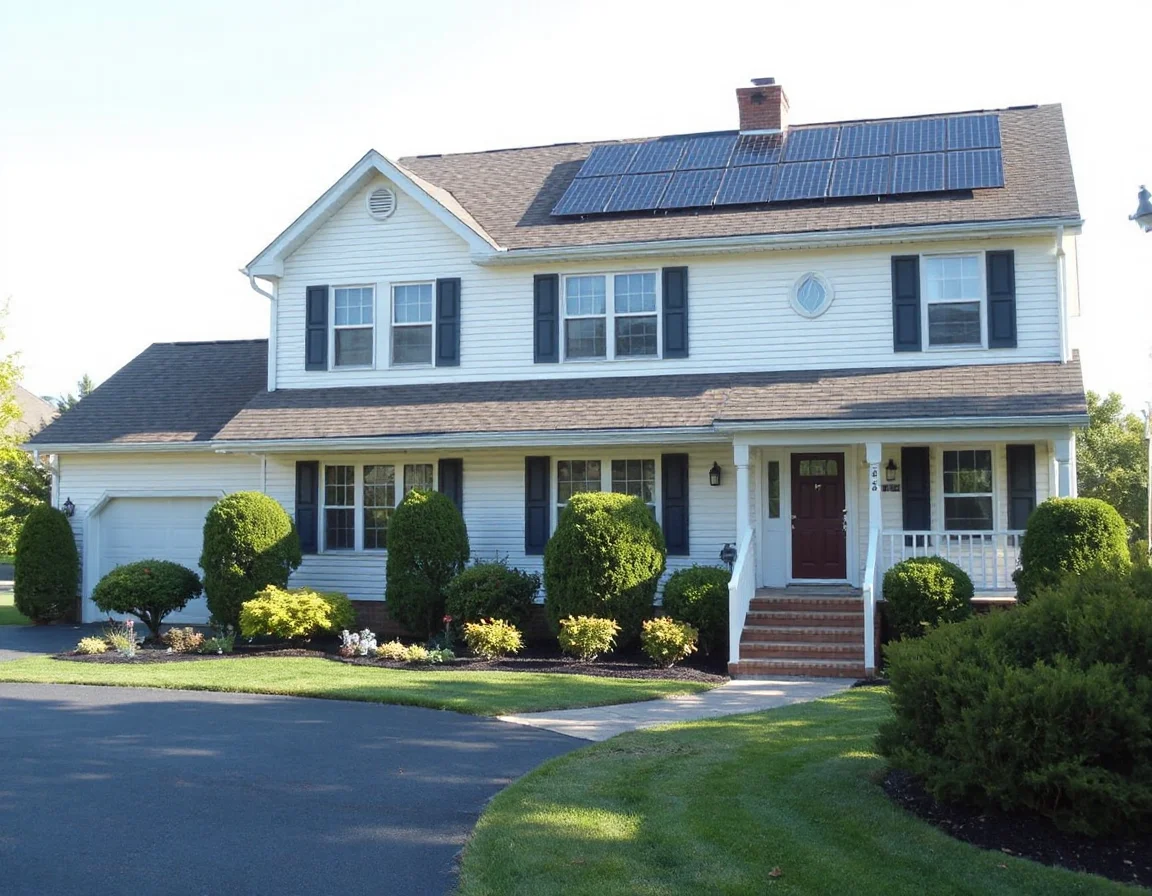
Solar panels generally do add value to a home, particularly when the system is owned outright and provides meaningful monthly savings. However, value is ultimately determined by the marketplace.
Some buyers place tremendous value on lower utility bills and energy independence. Others are less enthusiastic because they dislike the appearance of rooftop panels or do not want to assume financing or maintenance responsibilities.
The decision ultimately comes down to your priorities.
If your primary goal is reducing your monthly electric bill, protecting yourself from future utility rate increases, and you plan to remain in your home long enough for the savings to offset the installation costs, solar panels can be an excellent long-term investment.
If aesthetics are especially important to you - or if you anticipate selling your home in the near future - it is worth carefully weighing the potential financial benefits against buyer preferences and the complexity that financed or leased systems can introduce.
Like many home improvements, solar panels are not a one-size-fits-all investment. For the right homeowner, they can provide meaningful savings, increased property value, and long-term financial benefits. The key is to understand both the advantages and the trade-offs before making the investment.
Realsophy Real Estate believes that the best real estate decisions are informed decisions. Before investing in solar, evaluate the costs, projected savings, financing options, and your long-term homeownership plans to determine whether the investment truly makes sense for you.
The Realsophy Perspective
At Realsophy Real Estate, we believe real estate decisions should be based on facts - not marketing. Whether you're buying, selling, or investing, our goal is to help you understand how today's trends affect your property's value and your financial future. Excellence Isn’t Optional, It’s the Standard.
Let Us Be Your Partner in Building Real Estate Wealth
August 3, 2026
by Sophia Georges
Copyright 2026 – Realsophy Real Estate, Sophia Georges
Realsophy® is a registered trademark of Realsophy Real Estate LLC